The difference between eau de parfum and eau de toilette is concentration: how much perfume oil is dissolved in the alcohol. Eau de parfum typically holds more, so it smells richer and usually lasts longer on skin. Eau de toilette is lighter and brighter, eau de cologne lighter again, and aftershave is mostly a skincare step with a scent attached. “Cologne” is also everyday shorthand for any men’s fragrance.
In short
- The labels describe strength, not quality. More oil usually means more depth and staying power.
- Eau de parfum is the richer choice for evenings and colder months. Eau de toilette and cologne suit daytime and warm weather.
- The ranges are loose. One brand’s eau de toilette can be stronger than another’s eau de parfum.
- “Cologne” means two things: a specific light concentration, and, in everyday speech, men’s fragrance in general.
- Whatever you wear, apply it to moisturised skin and do not rub it in.
What is eau de parfum?
Eau de parfum is a fragrance in which the aromatic compounds make up a relatively high share of the formula, usually somewhere around 15 to 20 per cent, with the rest mostly alcohol. It sits one step below pure parfum (or extrait) and one step above eau de toilette.
That extra concentration does two things. It gives the scent more body, so the heart and base notes come through more fully. And because there is proportionally less alcohol to flash off, it tends to wear longer and stay closer to the skin as the day goes on.
Eau de parfum vs eau de toilette vs cologne: the concentrations
Fragrance strength is a scale. The table below sets out the typical industry ranges, drawn from the concentration guide in Wikipedia’s perfume entry. Treat them as a rough guide rather than a standard. The terms are imprecise, and each fragrance house decides its own figures, which is why one maker’s eau de toilette can carry more oil than another’s eau de parfum.
| Type | Typical concentration of aromatic compounds | Typical longevity on skin | Character |
|---|---|---|---|
| Parfum / extrait | 15–30% (often around 20%) | Can last 6–8 hours | Dense, intimate, sits close |
| Eau de parfum (EDP) | 15–20% (often around 15%) | Usually longer than eau de toilette | Rich, rounded, good projection |
| Eau de toilette (EDT) | 5–15% (often around 10%) | Roughly 2–4 hours | Brighter, fresher, lighter |
| Eau de cologne (EDC) | Around 2–5% | Around 2 hours | Light, citrus-led, refreshing |
| Aftershave | Not standardised; a light scent | Brief | A post-shave skincare product with fragrance |
Longevity figures are estimates from the same source. In practice, how long a scent lasts depends on the ingredients (heavier base notes such as woods, resins and vanilla linger), your skin, the weather and how much you apply.
How long does eau de parfum last?
Longer than an eau de toilette, as a rule, but there is no fixed number. The higher concentration means the scent is released more slowly, and many eau de parfums are built around deeper base notes that are naturally long-wearing.
Two things are worth knowing. First, you stop smelling your own fragrance long before other people do. Your nose adapts to a constant smell, so “it has worn off” often means “I have got used to it”. Resist the urge to reapply heavily at lunchtime. Second, a fragrance that fades fast on dry skin can last noticeably longer on moisturised skin. More on that below.
What does “cologne” actually mean?
The word has two jobs, which is where most of the confusion comes from.
The original meaning. Eau de Cologne was created in Cologne, Germany, in 1709 by the Italian perfumer Johann Maria Farina, who named it after his new home. According to Wikipedia’s history of Eau de Cologne, the classic formula is a light mix of citrus oils, typically lemon, orange and bergamot, often with herbs such as lavender or rosemary, in dilute alcohol. As a concentration, eau de cologne is the lightest of the main types.
The everyday meaning. In modern English, especially American English, “cologne” has become a catch-all for fragrance marketed to men, whatever its strength. When someone asks for a recommendation for “men’s cologne”, they almost always mean a men’s fragrance in general, not a 3 per cent citrus splash.
So a bottle sold as “cologne” may or may not be an eau de cologne in the technical sense. If strength matters to you, look for the concentration on the label rather than the word in the product name.
Is eau de parfum for men?
Yes. Concentration has nothing to do with gender. Eau de parfum, eau de toilette and eau de cologne describe how strong a fragrance is, not who it is for. Men’s eau de parfums have become far more common, and for many men they are the natural choice for evenings and colder weather. The old idea that “parfum” means women’s and “cologne” means men’s is marketing habit, not perfumery.
Aftershave vs cologne: what’s the difference?
Aftershave is a skincare product first. As Wikipedia’s aftershave entry explains, it is something applied to the skin after shaving, traditionally an alcohol-based splash but also available as a lotion, gel or balm. Classic splashes are astringent and antiseptic, which is why they sting. Balms tend to be alcohol-free and moisturising.
Cologne, in either sense, is purely a fragrance. You wear it for the scent, not for your skin.
In practice:
- Aftershave goes on straight after shaving, over the whole shaved area. Any scent is light and short-lived.
- Cologne or eau de parfum goes on a few pulse points, whenever you like. It is there to be smelled.
If your skin is sensitive, an alcohol-free post-shave balm followed by a separate fragrance on your neck or chest is usually kinder than a stinging scented splash.
Eau de cologne vs eau de parfum: which should you choose?
There is no right answer, only the right fit for the moment. A rough guide:
By occasion
- Office, gym bag, daytime errands: lighter scents. Eau de toilette or cologne-strength fragrances do not crowd a meeting room.
- Evenings, dinners, occasions: eau de parfum. The richer body and closer warmth suit a slower, more intimate setting.
By season
- Spring and summer: heat makes fragrance project more strongly and evaporate faster. Fresh, citrus-led and lighter-strength scents work well.
- Autumn and winter: cold air mutes fragrance. Deeper notes and higher concentrations hold up better.
By budget
Eau de parfum usually costs more per bottle, but you often need fewer sprays. A lighter fragrance can feel cheaper but may need topping up. Compare by how much you actually use, not just the price on the box.
What we make
Our two signature colognes share their scents with the rest of the Hollo range.
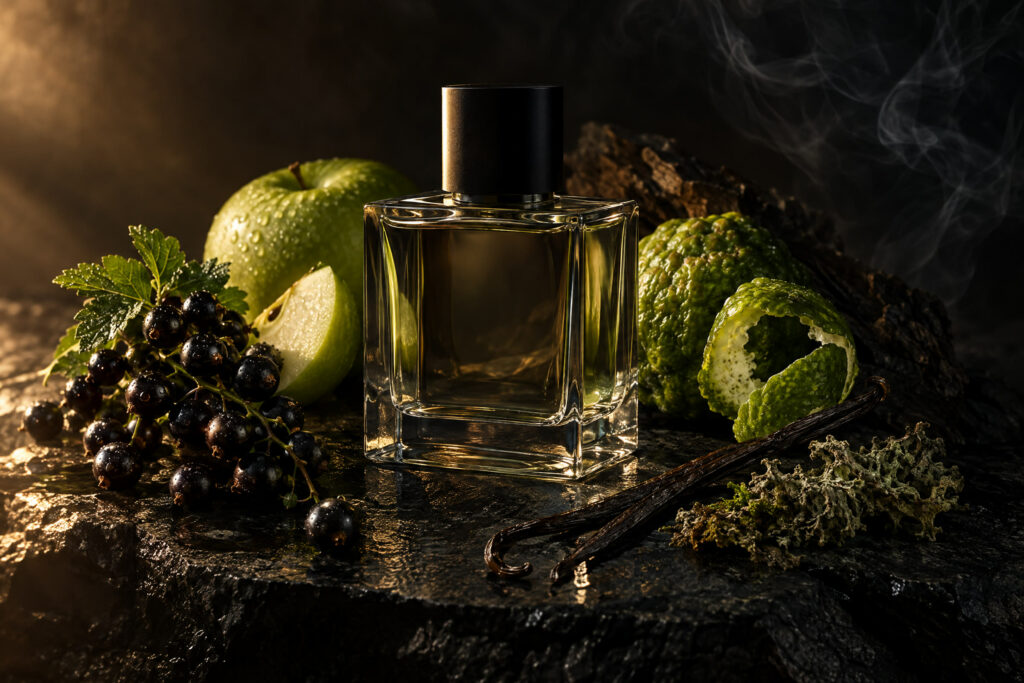
- Century Cologne opens with blackcurrant, apple and bergamot, moves into jasmine and oakmoss, and settles on a vanilla base. Fruity, warm and rounded, and easy to wear most days.
- Willow Cologne pairs black truffle and ylang with bergamot and blackcurrant. Earthy and refined, with a fresh top.
For evenings, there are two eau de parfums.
- Crusade Eau de Parfum is our signature: bold and made for evenings.
- Vanille Eau de Parfum is quieter, with a subtle sweetness. One for special days and nights.
If you are still working out what suits you, our guide on how to choose a signature scent walks through it.
How to make fragrance last longer
Concentration is only half of it. How you apply a fragrance makes a real difference.
- Start with clean, moisturised skin. Fragrance clings better to hydrated skin than dry skin. Apply an unscented moisturiser after your shower, let it sink in, then spray.
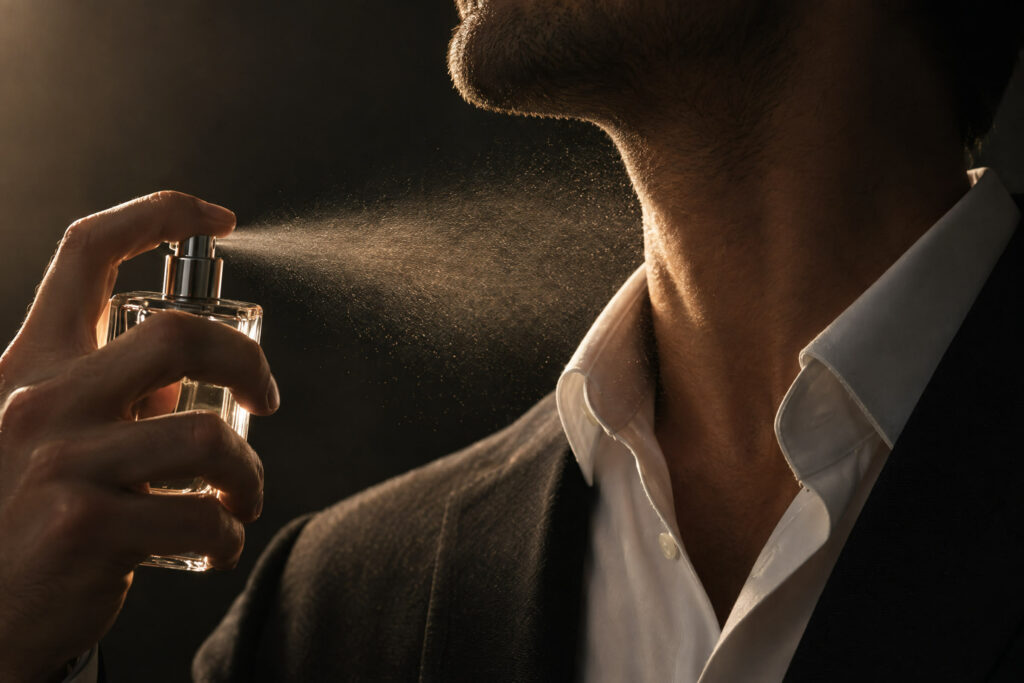
- Spray, don’t splash. Hold the bottle a short distance from your skin so the spray lands as a fine mist rather than a wet patch.
- Choose warm pulse points. The sides of the neck, the chest, the inner wrists and the inner elbows. Body warmth helps the scent develop and move.
- Do not rub. Rubbing your wrists together creates friction that hurries the delicate top notes. Let it dry on its own.
- Go easy. Two or three sprays of an eau de parfum is plenty for most settings. You should be noticed at a conversational distance, not across the room.
- Store it well. Keep bottles away from sunlight, heat and steam. A bathroom windowsill is the worst place for them.
If you have sensitive skin, spray onto your chest or the back of your neck rather than freshly shaved areas, and patch test a new fragrance before wearing it all day.
Frequently asked questions
Is eau de parfum stronger than eau de toilette?
Usually, yes. Eau de parfum typically contains a higher concentration of aromatic compounds, around 15 to 20 per cent against roughly 5 to 15 per cent for eau de toilette. Because the ranges overlap and vary by brand, compare fragrances on your own skin rather than by label alone.
Is cologne the same as aftershave?
No. Aftershave is a post-shave skincare product, traditionally an alcohol-based splash or a balm, with a light scent. Cologne is a fragrance worn purely for the smell. Many men use an alcohol-free balm after shaving and then a separate fragrance.
Can you wear eau de parfum during the day?
Yes. Just apply less. One or two sprays of an eau de parfum can be perfectly office-friendly. In hot weather, a lighter fragrance is often the more comfortable choice.
Why can’t I smell my fragrance after an hour?
Your nose adapts to smells it is constantly exposed to, so you notice your own fragrance less over time even though others can still smell it. Before reapplying, ask someone you trust whether it is still there.
Should men wear cologne or eau de parfum?
Either. The choice depends on the setting and season rather than on gender. A lighter fragrance suits warm days and daytime wear, while an eau de parfum suits evenings and colder months.
Find your scent in our fragrance collection.